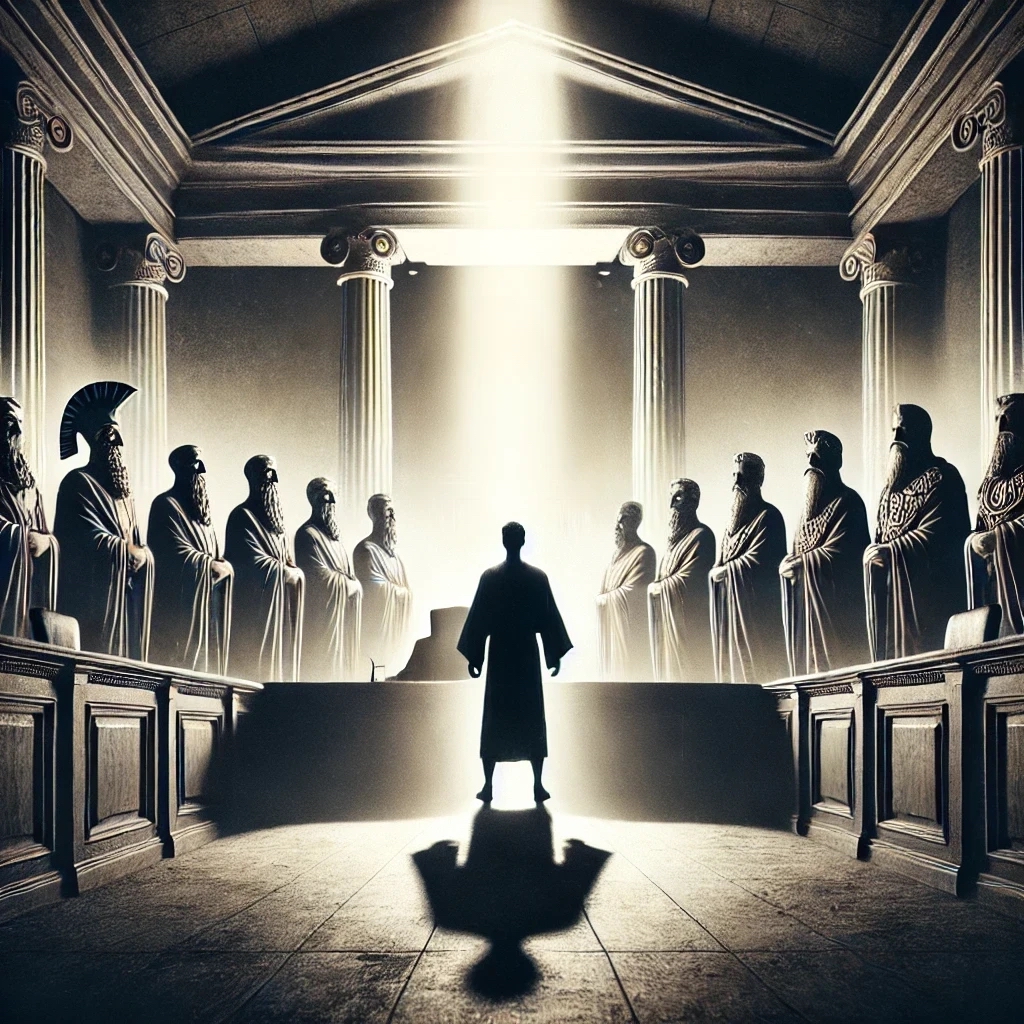
As we follow Paul’s ministry in the Book of Acts, we note that at Paul’s conversion, Jesus told him that the day would come when he would proclaim the gospel before kings (see chapter 9).
That day arrived when he was arrested and stood before Ananias, the high priest, followed by appearances before Antonius Felix, governor of Judea, Porcius Festus (Felix’s successor), and then King Herod Agrippa and his wife, Bernice (read Acts 22-26).
All these rulers were known even in their own day as corrupt tyrants, marked by greed, incest (Bernice was Agrippa’s sister), violence, plunder, cowardice, disrespect for God and man alike.
The historian, Josephus, contemporary of Jesus, Paul and all these potentates, has much to say about these rotten excuses for leaders. For example, Ananias, the high priest, sold food meant for ordinary priests for his own profit, causing priests and their families to starve to death. He betrayed his own people to the Romans and was eventually murdered for his betrayal.
Nothing changed their eternal destinies even after Paul, filled with the Holy Spirit, eloquently and fearlessly gave them the gospel. These oppressors paved the way for Paul to present his case to the most powerful (and corrupt) of them all—Caesar himself, namely, Nero.
Not everyone is called by God to such daunting service. But God formed in Paul an intensity of purpose that allowed him to face this challenge with dignity and grace.
Still, we might ask ourselves, why did God require this sacrifice by Paul, since none of these monsters ever actually bowed the knee to Christ?
We must remember that God not only wants us to join Him in heaven one day, He also wants to revive and reform human society on earth as it is in heaven. Jesus mandated His followers to disciple the nations. This can happen only when governments cease to actively obstruct the gospel and human dignity.
During Paul’s day, 25-40% of the Roman Empire’s peoples were slaves. Women and girls had minimal rights. Life was cheap. People lived in fear of death by torture or crucifixion by unpredictable and unaccountable rulers obsessed with power, not truth. Even their religious leaders were hopelessly corrupt.
God called Paul to start the reformation of government by clearly and fearlessly proclaiming Christ to the powers of his time. They did not submit, but we are told that Felix “trembled” and Agrippa was “almost persuaded.”
Though they did not heed, others also must have heard—and they were persuaded.
We get a strong hint of this in Philippians 4:22 where Paul sends greetings from “the household of Caesar” who followed Christ. The “household of Caesar” included all kinds of people in service to Caesar ranging from slaves to high government officials in positions of influence and authority.
Even when the most powerful refuse to believe, the gospel still penetrates to the highest and most degenerate parts of society. As a result, Christlike values begin to permeate the culture.
Wherever and to whomever the gospel goes, even if they refuse to submit, Jesus makes His mark. When we submit to Christ as Paul did, His Word, spoken with Holy Spirit power, will never return void. In the end, God always wins, even when He appears to lose.
 From the Desk of Valson Abraham