Is the God of the Old Testament different from the God of the New Testament? Some people think so. They see God’s judgment of the Canaanites as the work of a vindictive and bloodthirsty spirit.
The story of Rahab in Joshua 2 destroys that narrative. God is the same yesterday, today and forever. God always looks for people He can save. He often finds uncut gemstones even in the filthiest muck. He found it in Rahab, the harlot.
At first glance, Rahab seems an unlikely candidate for God’s favor. Some people rationalize that Rahab was an innkeeper, but other references in both Old and New Testaments indicate she was indeed a prostitute. She plied her trade in the walled city of Jericho, destined for destruction by God through the Israelites.
So why would God save Rahab whose life represented the depravity that God wanted to destroy? Was it because she risked her life in helping to save two Israelite men who came to spy out the land? Was it because she recognized the sovereign power of the Israelites’ God?
Yes, but I believe there was even more: Rahab and her household were saved because she joined in the covenant of faith with the God of Abraham, Isaac and Jacob right along with the Israelites.
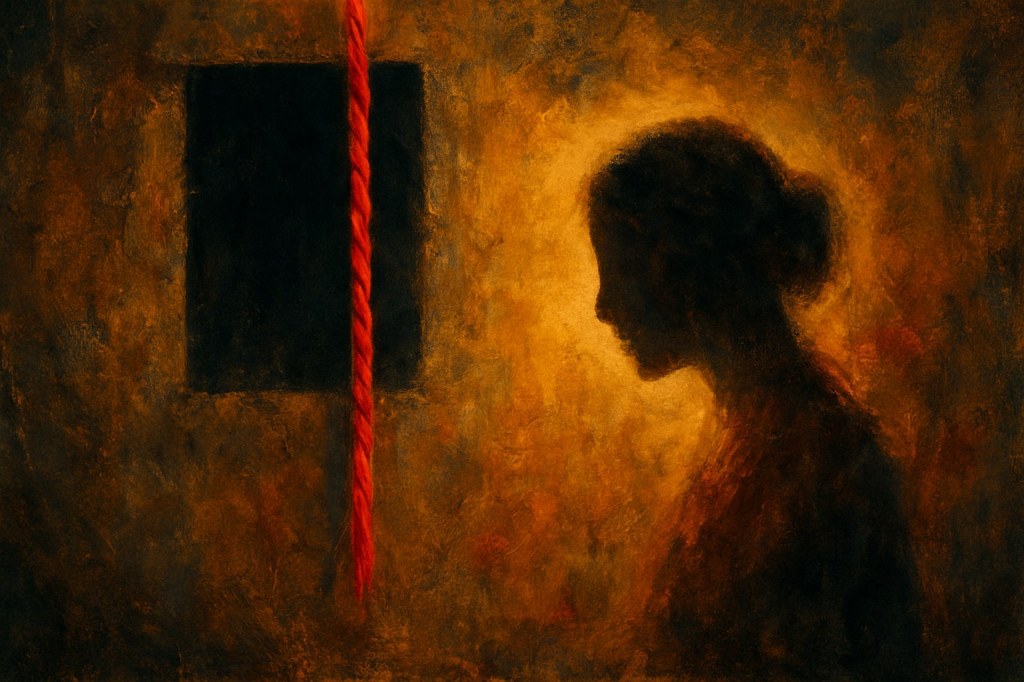
When Rahab begged the two spies to save her life along with the lives of her family members, the two spies told her to hang a scarlet rope outside her window to identify her living place. The two spies vowed that the presence of the scarlet rope would save from destruction all those she gathered with her.
That scarlet rope became to Rahab and her family like the Passover Lamb became to the Israelites when God led them from Egypt to the Promised Land.
Her act of faith in God separated her and her family from the doomed people of Jericho. That scarlet rope was visible for all her people to see. Rahab acted in faith that God would faithfully save her and her family from His judgment—something she did not deserve but acted to claim for herself. Her family members acted with that same faith when they gathered with her.
Such faith and obedience were counted to Rahab and her family as righteousness just as real as the righteousness of faith that separated Abraham from his pagan society. Rahab was later entered into faith’s hall of fame (Hebrews 11:31), a woman of good works (James 2:25) who even entered the family tree of the Lamb of God Himself (Matthew 1:5).
If more of Jericho’s people had demonstrated the faith of Rahab the harlot, they, too, would have been saved. We can say that from what happened later with the cruel and wicked city of Nineveh that came under God’s judgment but repented in sackcloth and ashes and were all spared (Jonah 3).
God’s grace is greater, more inclusive and more ingenious than we know. This should give us great encouragement as we pray for wayward loved ones, nations and radical haters of the gospel who seem totally resistant and “impossible” to change.
May each of us learn to think more like God thinks so that we will pray with greater faith and expectancy for Him to work His grace in ways beyond our understanding.
 From the Desk of Valson Abraham