
The Book of Acts, written almost 2,000 years ago, serves as a template for God’s workings at any time in the history of Christ’s followers, including our own. It reveals human nature in its response to God. This includes Acts 19 which records Paul’s mission to Ephesus.
In Paul’s day, Ephesus was a vital port city, its impressive buildings constructed of fine marble. The city was dominated by the overpowering presence of the white marble temple to the goddess, Artemis (or Diana), widely worshipped throughout the Mediterranean region. Millions of pilgrims flocked to Ephesus to worship at this temple, one of the seven wonders of the ancient world.
This worship of Artemis went back more than 1,000 years. It was a highly entrenched religion that dominated the region, like Hinduism in Varanasi or Islam in Mecca. A myth grew up among Artemis followers that in ancient days, her statue descended from heaven.
Paul came to Ephesus to introduce Jesus Christ and challenge this deeply rooted religious culture. Fearlessly, he proclaimed Jesus as Lord, and he depended upon the Holy Spirit to do what rational argument alone could never do.
Dr. Luke tells us that notable miracles took place. Handkerchiefs and aprons, touched by Paul, become instruments of healing and deliverance from demons. This demonstration of the gospel by power as well as word won people to Christ in droves as they saw Jesus do what Artemis had never done.
Not everyone was happy about this. The silversmiths, who got rich selling silver idols of Artemis to devotees, saw their profits dwindle as Jesus gained influence. They reacted with venom against Paul’s “attack on society”. Others envied what they wrongly perceived was Paul’s magical powers and coveted this power for their own selfish ends.
What took place in Ephesus during Paul’s ministry was truly a power encounter with Satan, who long blinded the people, and the power of Jesus Christ who opens blind eyes. The clash between God and Satan broke out into the visible human realm at Ephesus.
Paul did not flee but stood firm and discipled the new believers. The Ephesian church grew fast. The Ephesians became a bright light for the gospel. Later, Paul wrote his epistle to these former worshippers of Artemis and praised their mature faith in Jesus Christ.
The happenings at Ephesus take place in India today as we see God answer your prayers and the prayers of His people in India. The Word of God is both preached and demonstrated in power with healings, deliverance from demons and other signs and wonders. An entrenched religious system is being challenged by the living and powerful Jesus Christ who is opening eyes once blinded by the devil.
At the same time, opposition has come thick and fierce from those who enrich themselves through the status quo and accuse Christians of “destroying society.” The enemy comes armed with entrenched traditions backed by overwhelming political and financial power.
Despite the opposition, the Holy Spirit enables us to train new disciples and send more harvest workers. Quietly, former believers of old religions enter their workplaces and schools to counteract this influence at the grass roots with the power of Christ in word and deed.
May what happened in Ephesus take place all over India in coming days — and in the place where you live and work!


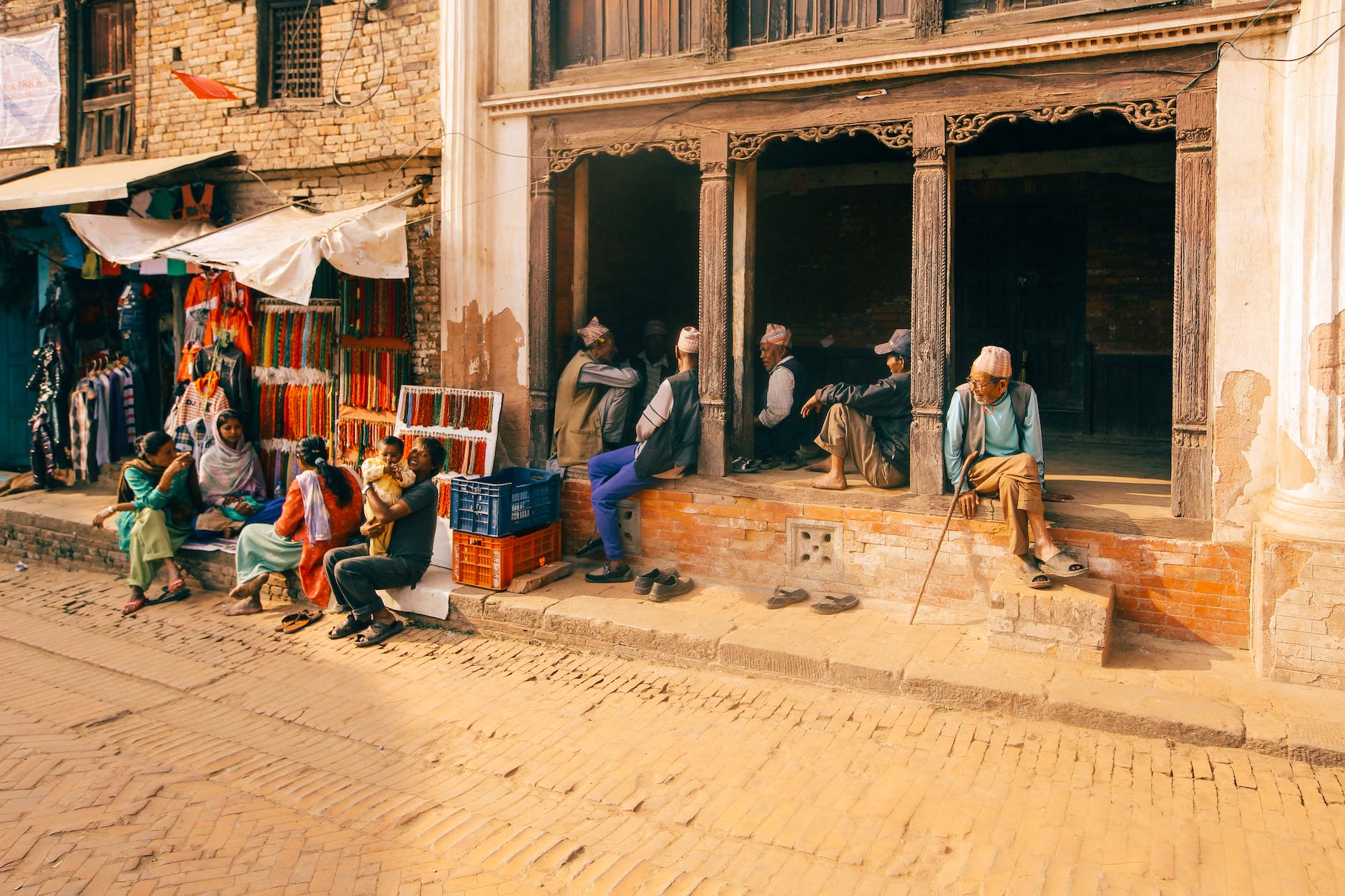

 A major worldwide issue today is gender justice—ending inequalities between men and women in the family, workplace and larger community. Christian approaches to this critical problem can help to reveal the character of the gospel to the rest of the world.
 Around the world, in many ways, the gospel of Jesus Christ is under assault. With recent headlines, we tend to equate this with Islamic attacks upon Christians in the Middle East and Africa, but the enemy wars against Jesus Christ everywhere and in many ways. This includes India.
 From the Desk of Valson Abraham