Author Archives: valsonabraham

On Possessing God’s Character in a Broken World

Because Jesus Christ is both divine and human, His final words on the cross
reveal not only the work and character of God but also God’s intention for us in a
broken world.

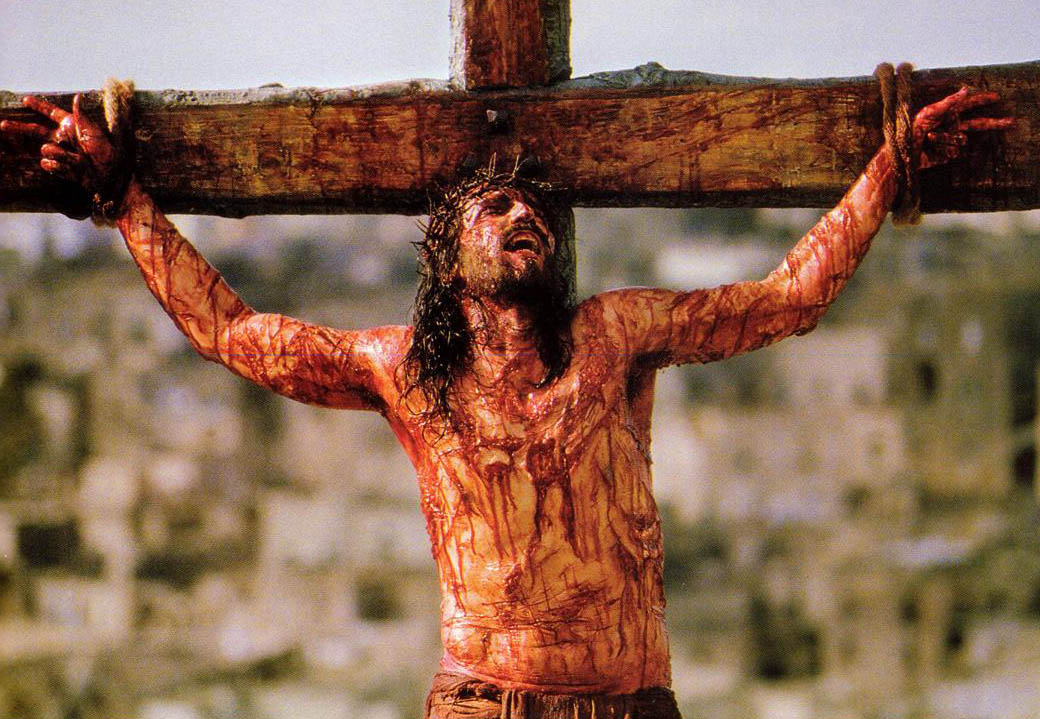
“I thirst.” The One who comforted grieving hearts, healed the sick, raised the
dead and fed the hungry now experiences suffering Himself. In this sinful world, no
one is immune from suffering, not even God as He voluntarily absorbs our suffering
humanity in His own person.

Like Jesus, we are called to help those who suffer, but we should also expect to
suffer in this world ourselves. Not only does God take on our suffering, but He shows us
what we must expect ourselves.
Image

“It is finished.” Jesus completed the work for which He came to earth. Although
He was only 33 years old, He said and did everything necessary to accomplish His
mission. Suffering and death did not prevent His earthly purpose but became a tool
in its fulfillment. In this sense, the enemies of Jesus, both earthly and spiritual, utterly
failed to neutralize Him.

How many of us complete the work for which God made us? Death is the enemy
of the person without God. Earthly life seems so absurdly short because we seem to
accomplish and say so little of permanent significance. Within a century after we are
gone, most of us are totally forgotten by succeeding generations.

How to overcome this final absurdity is the ultimate question of all persons,
whether they are prince or peasant. Only God has the answer to this ultimate question,
and He carried it in an earthly body subject to suffering and death.

“Father, into your hands I commit my spirit” (from Luke 23:46). I know of people
who curse in their last moment of life, or scream in terror as death overtakes them. But
Jesus ends His earthly life with complete trust in His Father’s ability to vindicate His
life, suffering and death.

Jesus died a physical wreck on a Friday afternoon, His earthly body bloodied by
thorns, whips, nails and spears, His spirit seared by the mocking men who slandered
His holy and sinless name and life. But on Sunday morning, Jesus rises from the grave
in glory, demonstrating His final authority over pain, suffering and death.

Jesus tells us, “Whosoever believes in me shall not perish but have eternal life.”
“Trust me,” Jesus says. “What I accomplished from Good Friday to Easter Sunday
can become yours as well as you trust me” (from John 3:16).

Trust Jesus to use your suffering as a tool to accomplish His purpose in your life.
Trust Jesus to help you accomplish the purpose for which God created you. Trust Jesus
to help you safely enter death’s door into glory.

Long before you take your last earthly breath, you can experience theImage

resurrection power of God in this life, just as Jesus did. As Paul says: “But if the Spirit
of Him who raised Jesus from the dead dwells in you, He who raised Christ Jesus from
the dead will also give life to your mortal bodies through His Spirit who dwells in you”
(Romans 8:11).

As we live from day to day, let us remember this wonderful news, and let us take
the Good News to all in India who thirst for the righteousness of God and the answer to
life’s sufferings.

Jesus’ Message of Hope

The true character of a person is most revealed in what he says and does in a crisis.

Throughout His earthly ministry, Jesus helped people when they were helpless. By emptying Himself of glory and becoming human, Jesus became helpless on the cross.

Now, he was despised and rejected. His own people spurned Him. Even the religious and moral leaders who should have recognized His purity hated Him. Even His closest disciples (including Peter) deserted Him in His hour of need.

In India, people ignorant of Jesus’ story see these events unfold on the Jesus Film, leading up to His crucifixion, and they moan, weep and shriek in anger and despair. Instinctively, they know that a terrible injustice is taking place.

Up to now, these people have seen only goodness in Jesus. If anyone deserves the highest karma, or the right to lead His people, it is Jesus. But now, even the greatest moral leaders of the day demand the unjust death of a just man.

These repulsive facts make Jesus’ first words on the cross most astonishing to an Indian audience: “Father, forgive them, for they know not what they do.” For most Indian people raised to believe in karma, forgiveness is not even thinkable much less possible.

Jesus is placed between two thieves. Like the mob, one thief, deserving of death, mercilessly curses at Jesus, who is totally innocent.

Silently, Jesus bears this wretched humiliation until the other thief recognizes the absurdity of this situation. Probably uttering a profanity, the second thief rebukes the first thief. “We receive the due reward of our deeds,” he scolds him, “but this man has done nothing wrong.”

He turns to Jesus to say, “Lord, remember me when you come into your kingdom.”

Even in His deep agony, Jesus recognizes the heart of repentance in this hell-bound thief and again utters unthinkable words of redemption: “Today you will be with Me in Paradise.”

A third time, Jesus demonstrates His selfless love when He sees His mother, Mary, at the foot of the cross. His disciple, John, has overcome his cowardice to join Mary.

Concerned for the welfare of the one who obediently bore Him, only to now know the arrows of despair, He says to her, “Woman, behold your son!” Then He turns to John and says, “Behold your mother!” From that hour, we are told, John met Mary’s needs.

Only after He has looked to the needs of others does Jesus cry out the awful question we all face when life’s absurdities overwhelm us: “My God, my God, why have you forsaken me?”

None of us escapes the senseless trials of life. Neither did Jesus. As Isaiah said, “Surely He has borne our grief and carried our sorrows…He was numbered with the transgressors, and He bore the sin of many, and made intercession for the transgressors.”

Only once does the taunting mob speak the truth: “He saved others, but He can’t save Himself.” If Jesus had come off the cross (as He could have done) and struck His mockers dead (as He had every right to do,) every one of us would know only eternal death and hopelessness.

Even in this moment, when God turned His back on His Son, He was thinking of you and me.

What greater message does anyone have for the hopeless? Let us make sure they get that message.

The Lord’s Prayer (Part 2)

Jesus taught His disciples to pray. Their prayer, popularly known as The Lord’s
Prayer, reveals how we should regard God and power and grace to accomplish
important things in our own lives and the lives of others.

The Lord’s Prayer also reveals us for who we are when Jesus prays, “Forgive us our
debts as we forgive our debtors.”

We all tend toward idolatry. We want to define God’s holiness in terms of our
own. We want to define heaven in terms of earth. We want to make our own kingdom
come in our own way and call it “heaven.” This habit silently creeps into all our lives
like weeds in a garden, devastating us and the lives of those who depend upon us.

That is why Jesus makes a place in His prayer to ask our heavenly Father for
forgiveness. We cannot experience the coming of God’s kingdom into our earthly lives
when we do not confess our sins before Him. Unconfessed sin and lack of repentance
block God from working His kingdom into our lives. Unconfessed sin prevents us from
experiencing His greatest blessings.

Because God is gracious to forgive us, He expects us to forgive others, sharing the
grace we receive from Him.

Jesus also knows our tendency to yield to temptation. Jesus’ prayer reminds us
that God never leads us into temptation, but He delivers us from evil. This may sound
simpleminded, but temptations are tempting. They are so attractive to us, we simply
cannot give them up on our own. Since they are beyond our power, we must depend
upon Him to deliver us from this evil. The fact that Jesus tells us to pray for this
deliverance means that He will do it.

In our pride and self-sufficiency, we often find it difficult to ask for help. This is
why we are reminded at the end of the Lord’s Prayer as at the beginning—everything
begins and ends with God. Just as the Lord’s Prayer begins with praise, it ends with
praise: “For yours is the kingdom, the power and the glory forever.”

Even as believers, we are inclined to say, “Mine is the kingdom, the power and the
glory.” Praise is not something that comes naturally to us. True praise does not involve
words merely uttered by our lips but by our hearts. True praise is learned progressively as
life’s lessons teach us the truth of what we say.

All true prayer recognizes God’s right to rule this earth. It recognizes God’s
right to rule our lives. It recognizes our need to submit to Him as king of our bodies,
our behavior, our plans, our church, our families, our work, our school and
our possessions.

All true prayer recognizes God’s right to extend His rule into every corner of the
earth and every corner of every heart. That is why we must continue to take the gospel
to those who are still trying to define God’s kingdom in their own way.

Millions of people in India yearn for God’s kingdom but do not yet know the
One who has made it available to them. Let us respond to God’s call to give them the
Good News.

The Lord’s Prayer

As we pray for India, we can find no better prayer model than the prayer Jesus taught His disciples, popularly known as “the Lord’s Prayer,” in Matthew 6. I say it is a model for prayer because it suggests larger, more detailed and specific prayers inspired by the Holy Spirit. The Lord’s Prayer enables us to discern if we are praying in the spirit of Christ or only in human power.

Charles Spurgeon, the great English preacher, reminds us that the Lord’s Prayer is not for everyone. It is reserved only for those who recognize the sovereignty of the One who first revealed it to His disciples. It is reserved for those who are “possessors of grace and are truly converted.” A heart of trust in Christ reveals the power of the Lord’s Prayer to those who seek to pray effective and powerful prayers.

The Lord’s Prayer is a very organic prayer in which every part works together in perfect harmony.

“Our Father” sets the tone for the rest of the prayer, reminding us that prayer is not just reserved as a personal exercise but a corporate relationship with the One who possesses authority, love, responsibility, wisdom and goodness.

As His children, we depend upon Him and submit ourselves to Him. God may or may not grant our request, but He always does well and wisely as a loving Father.

“Who art in Heaven” reminds us that all our earthly needs and desires are best met, not with earthly wisdom, but in Heaven. Why is this? Because the name and reputation of the Father is “hallowed.” God’s reputation and character far exceeds that of the greatest mortal man. His eternal and triune Personhood surpasses that of any created earthly person who soon passes away.

At the same time, when we remember that this holy God is “our Father,” we know that God is approachable, that He is as humble as He is holy.

A hallowed Father excludes no one who approaches Him in deep trust with heartfelt needs. A hallowed Father rightly requires obedience to Him, not from fear but in a loving response to His love. A hallowed Father gives us peace, for nothing can shake our relationship with Him. A hallowed Father is committed to His children and gives them privileges that no earthly father possesses.

This hallowed Father possesses a Kingdom that reflects His ways, His character, His will, His plan, His presence, His authority. It is a Kingdom of Heaven.

We can realize this Heavenly Kingdom on earth, not only in some future time when Christ returns, but now. We experience the Kingdom of God on earth as we see Him meet daily needs, bring two people together in marriage, enable us with wisdom and power to conduct our businesses, study for school and engage in creative endeavors that glorify God and bless others as well as ourselves.

“Our Father” reminds us that we have many brothers and sisters who do not yet know their Heavenly Father and feel orphaned from Him. “Our Father” reminds us of the multitudes who feel abandoned by God because of circumstances beyond their control, who are ignorant of Him who has loved them for all eternity.

May His Kingdom come on earth to all of these who have not yet heard!

Tagged , , , , , , , , , , , , , , , ,

The Kingdom of God is Already among Us

Our greatest hope for this world is the culmination of the Kingdom of God.

During World War II, when allied forces successfully landed on the coast of France on D-Day, 1944, the French people knew it was only a matter of time when they would one day be free of Hitler and the Nazis.  Hitler’s forces resisted strongly, and many brave allied soldiers paid with their lives, but the allied foothold held firm, and the territory under their control continued to grow.

Even before victory was complete, the French people were already thinking in terms of the coming victory.  They saw it as an inevitable reality and waited for it with patient (and sometimes impatient) expectancy.

The Kingdom of God has already come into our midst with the birth of Jesus Christ to the Virgin Mary.  Satan attempted to defeat Jesus at the cross, but Jesus rose again.  With his resurrection, there is nothing to keep Jesus’ foothold from growing.  Satan continues to fight on, costing the lives of many followers of Christ, but like Hitler, Satan’s ultimate defeat is sure.

As children of the Kingdom of God during this intermediate period, still engaged in spiritual conflict, we need to continually remind ourselves of the signs that the Kingdom of God is already among us.  Two thousand years ago, the apostles saw beginning signs of the Kingdom in their midst, and we see those same signs today, spread over a widening territory.  Among these signs are:

The presence of the Holy Spirit as God speaks to us, works in our lives and transforms us more into His likeness (John 14-17).

  • The gifts and fruits of the Holy Spirit (1 Corinthians 12-14; Galatians 5:22-23).
  • The growth of the church in the spreading of the gospel and work of the Spirit among unreached peoples (Matthew 24:14).
  • Miracles and deliverance from the power of Satan (Acts 2).
  • Great awakenings, revivals and transformation of societies (larger outcome of Romans 8). Transformation of society may not be perfect, but it is genuine and      often dramatic.
  • The re-establishment of Israel (culmination of many prophecies).
  • Suffering of God’s people as Christ suffered, and God’s redemption of our suffering (Romans 8).

Each of these different signs are worthy of its own book.  But I briefly mention them to encourage you to go to your Bibles and see for yourselves.

Jesus said that these things happen quietly and are not noticed by the rest of the world.  Even in this day of the internet, there is great ignorance and blindness to the work of God among people who refuse to see it.  Unbelief and deliberate blindness still take place in those who do not have eyes to see nor ears to hear.

But a day is coming when the fullness of God’s Kingdom will be evident to all.  Even as the allies marched publicly and triumphantly into Paris and Berlin, every eye will see Jesus Christ as He returns with His church to set up His Kingdom.  We groan inside for its coming, even as Paul tells us in Romans 8.

Becoming aware of the present signs of the Kingdom of God should encourage each of us as we work for the fulfillment of the Great Commission.  Each of us has a part to play in God’s Kingdom as it moves toward its glorious culmination in the Second Coming of Jesus Christ.

Let us encourage one another with these things.

The Theologian in You

There is a general misconception that theology is only for religious specialists who spend years in college and seminary and church pastorates. Not true. In truth, we are all theologians. Theology is the study of God, and whether our beliefs are well-formed or half-baked, all of us have ideas about God and the world in which we live. Our decisions and our attitudes are influenced by those beliefs.

Therefore, the wise person sets out to determine just what his beliefs about God are and to correct those that are wrong.

Some of the sources of our beliefs about God come from the revealed Word of God. There are moments in which God may have indeed spoken to us to clarify truth about Him. At other times, our beliefs come from questionable sources, such as negative personal experiences or cultural influences that tell us lies about ourselves and about God. These unconscious but erroneous beliefs can have a devastating effect upon us and those who must live with us.

At times, we should each clarify what we actually believe about God and whether our beliefs agree with the revealed Word of God. It may be that what we say we believe is not what we actually believe in practice.

Theology is not just for theologians, seminary students and pastors, it is for all of us. We must make a conscious and constant effort to align our beliefs with scripture to help us make wise life decisions and decisions that affect us and those around us for eternity.

The main divisions of Christian theology include (1) exegetical theology (interpretation and study of scriptural texts), (2) historical theology (the history of doctrinal thought), (3) systematic theology (arranging the teachings in a logical order which includes apologetics and ethics, the doctrine of origins to the doctrine of last things) and (4) practical theology (salvation, preaching, education, administration, worship, the Great Commission). To effectively live our Christian lives, we must have strong foundations in each of these areas.

Of course, Christian theology is more than the sum of correct beliefs about God.
It involves our response to the work of the living God in our lives, moving us to act in love and obedience toward him. Our correct beliefs become a living faith as we listen to God and learn to do His will in our lives.

For example, if we say we believe in an omnipotent God, we will trust God to do great things in our lives and the lives of others. We will give ourselves to prayers of faith.
We will not become discouraged when things do not always go our way. We will trust God to be stronger than the circumstances that surround us.

We will also get our priorities straight when it comes to the Great Commission.
We will more readily see the lost world around us and ask God how He can work through us to accomplish His redemptive purpose among the spiritually lost at home and abroad.

In India, millions of people remain in spiritual confusion because of diabolically distorted and darkened perceptions of God. Join us with your prayers and resources to insure that the Bread of Life reaches all who hunger for it.

Blessings in Christ,
Valson Abraham

Tagged , , , , , , , , , , , , , , , ,